|
La Peau
1
|
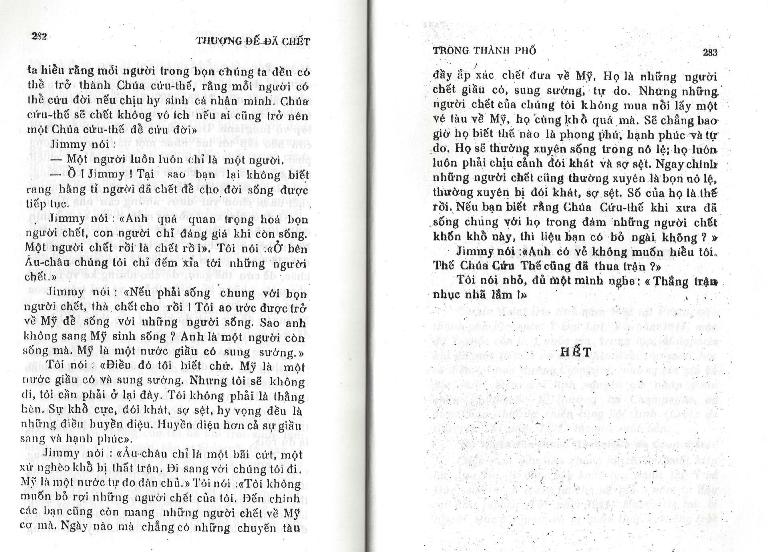
Khi dịch
“The Skin”, Gấu chẳng nhớ gì hết, đâu ngờ câu văn kết thúc ăn sâu vào
tiềm thức,
sau bật ra, lại nghĩ, là của mình!
THẮNG TRẬN NHỤC NHÃ LẮM!
Thượng Đế Đã
Chết Trong Thành Phố
Intro
Thượng
Đế Đã Chết, khủng khiếp thực.
Nó nói về Mẽo
giải phóng Ý, và nó tiên tri ra hai cuộc giải phóng khác, tại Việt Nam.
Gấu lập
lại, hai cuộc giải phóng.
1. Quân đội
Mẽo tới Miền Nam, nhằm giải phóng miền đất này, thoát cuộc xâm lăng của
VC Miền
Bắc.
2. VC Miền Bắc
giải phóng Miền Nam. Và xoá sổ nó.
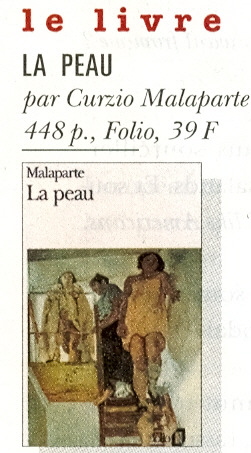
“LA PEAU” : UN ARCHI-ROMAN
"La Peau [Làn
Da]": Đại Gia - Tiểu Thuyết
LE PRÉ-MODÈLE DE
L'ÉCRIVAIN ENGAGÉ
Quelque vingt ans avant
Sartre, Malaparte était déjà un « écrivain engagé ». Disons plutôt, son
pré-modèle; car la fameuse formule sartrienne, on ne l'utilisait pas
alors, et Malaparte n'avait encore rien écrit. À quinze ans il est
secrétaire de la section locale de la jeunesse du parti républicain
(parti de gauche) ; quand il a seize ans, la guerre de 14 éclate, il
quitte son chez-soi, franchit la frontière française et s'engage dans
une légion de volontaires pour combattre les Allemands.
Je ne veux pas prêter aux décisions des adolescents plus de raison
qu'elles n'en peuvent avoir; il n'empêche que le comportement de
Malaparte était remarquable.
Et sincère, situé, faut-il le dire, au-delà de la comédie médiatique
qui, aujourd'hui, accompagnerait fatalement tout geste politique. Vers
la fin de la guerre, pendant un combat féroce, il est gravement blessé
par des lance-flammes allemands. Ses poumons en resteront à jamais
endommagés et son âme traumatisée.
Mais pourquoi disais-je que ce jeune étudiant-soldat était un
pré-modèle de l'écrivain engagé? Plus tard, il raconte un souvenir: les
jeunes volontaires italiens se sont vite divisés en deux groupes
rivaux: les uns se réclamaient de Garibaldi, les autres de Pétrarque
(qui avait vécu dans la même partie du sud de la France où ils étaient
rassemblés avant de partir pour le front). Or, dans cette dispute
d'adolescents, Malaparte se rangeait sous le drapeau de Pétrarque
contre les garibaldiens. Son engagement, dès le début, ne ressemblait
pas à celui d'un syndicaliste, d'un militant politique, mais à celui
d'un Shelley, d'un Hugo ou d'un Malraux.
Après la guerre, jeune (très jeune) homme, il entre au parti de
Mussolini; toujours affecté par le souvenir des massacres, il voit dans
le fascisme la promesse d'une révolution qui balayerait le monde tel
qu'il l'a connu et détesté. Il est journaliste, au courant de tout ce
qui se passe dans la vie politique, il est mondain, sait briller et
séduire, mais il est surtout amoureux de l'art et de la poésie. Il
préfère toujours Pétrarque à Garibaldi, et les gens qu'il chérit
par-dessus tout sont les artistes et les écrivains.
Et parce que Pétrarque représente pour lui plus que Garibaldi, son
engagement politique est personnel, extravagant, indépendant,
indiscipliné, de sorte qu'il se trouve bientôt en conflit avec le
pouvoir (à la même époque, en Russie, les intellectuels communistes
connaissaient bien pareille situation), il est même arrêté «pour
activités antifascites », exclu du parti, gardé quelque temps en
prison, puis condamné à une longue résidence surveillée. Acquitté, il
redevient journaliste puis, mobilisé en 1940, il envoie du front russe
des articles qui sont bientôt jugés (à juste titre) antiallemands et
antifascistes, si bien qu'il passe de nouveau quelques mois en prison.
Kundera: Une
Rencontre
V/v đạo đức.
Kundera
vinh danh Malaparte, mà không bảnh sao:
Et,
dans le même et inoubliable chapitre intitulé « Le vent noir », il
raconte l'agonie de son chien aimé Jego (“De lui et non des hommes,
j'ai appris que la morale est gratuite, qu'elle est une fin en soi,
qu'elle ne se propose même pas de sauver le monde [même pas de sauver
le monde!) mais seulement d'inventer toujours de nouveaux prétextes à
son propre désintéressement, à son libre jeu”).
Nhờ
con chó, không phải nhờ con người mà tôi học được rằng, đạo đức thì
cho không, và nó là một cứu cánh nội tại, và nó cũng đếch thèm để ý đến
chuyện cứu vớt thế giới….
Về ba bài
viết đang gây “sốc” là Trịnh Công Sơn & Tham Vọng
Chính Trị (Trịnh Cung), Sao bác ghét talawas...?
(Nguyễn Quốc Trụ) và Nồi da xào [xáo, xạo] thịt
(Lý Đợi), tôi/ta không cần đọc (ý kiến) mà chỉ cần đếm (các tiếng
“quấu, quấu, quấu”) trên các web/blog nọ cũng có thể đoán biết ai
“đúng” (các tác giả) ai “sai” (người góp ý) trong các trường hợp này,
mặc dù chuyện “đúng” và/hay “sai” thuộc về tỷ lệ của phần trăm
“đúng-sai”, vì trên cõi thế “ba phải” này phần lớn chẳng có cái gì là
toàn “đúng” hoặc toàn “sai”.Chấp nhận cả hai phần của tỷ lệ phần trăm
là cách duy nhứt để giúp trí tuệ trưởng thành.
Cho dễ hình dung mà cũng để vắn tắt, thiển nghĩ của tôi là các tác giả
Trịnh Cung, Nguyễn Quốc Trụ, Lý Đợi đã vẽ/viết ba bức chân dung “lập
thể” kiểu Picasso về Trịnh Công Sơn, Miền Bắc, và Huyền thoại Âu Cơ-Lạc
Long Quân.
Tranh Picasso cũng từng bị quấu quấu... khá lâu.
Nguyễn Đăng
Thường [Tiền Vệ]
Let
Me Think!
*
Let Me Think
You ask
me about that country whose details
now escape me,
I don’t remember its geography, nothing of its
history.
And should I visit it in memory,
It would be as I would a past lover,
After years, for a night, no longer restless with
passion, with no fear of regret.
I have reached that age when one visits the
heart merely as a courtesy.
(Faiz Ahmed Faiz, The Rebel’s
Silhouette)
I have
reached that age when one visits the heart merely as a courtesy
Tôi đã tới
tuổi mà một con người đi thăm trái tim chỉ vì lịch sự.
Đó là dòng
thơ của Faiz Ahmed Faiz (1911-1984). Theo Rushdie, ông này là một nhà
thơ trữ
tình lớn [the famous Urdu poet], của Pakistan, nhiều bài thơ được phổ
nhạc và
được hàng triệu con tim ngưỡng mộ, ngay cả những bài chẳng có vẻ gì là
lãng mạn,
thí dụ như:
Hãy để
Gấu
nghĩ coi
Em yêu, đừng
hỏi anh về tình yêu đã có lần anh dành cho em...
Đẹp biết
bao, đáng yêu biết bao, em, giờ này vẫn vậy...
Nhưng anh
đành chịu thua;
bởi vì thế
giới còn biết bao nhiêu âu lo sầu muộn so với tình yêu,
và những thú
vui khác nữa.
Đừng bao giờ
hỏi anh còn yêu em như ngày nào...
*
Ông rất yêu
đất nước ông, tất nhiên, nhưng một trong những bài thơ hay nhất của
ông, viết bằng
một giọng rã rời, thứ tình cảm rã rời của một kẻ lưu vong.
Bài thơ này,
tuyệt vời thay, được dựng thành poster ở tường xe điện ngầm ở New York,
cách
đây vài năm
[Rushdie viết
bài này năm 2002]:
Bạn hỏi tôi
về một xứ sở mà những chi tiết về nó đã chạy khỏi tôi,
Tôi không nhớ
địa dư của nó, cũng chẳng nhớ lịch sử của nó.
Hay là tôi
nên viếng thăm nó, bằng hồi ức,
Chắc là nó sẽ
giống như một tình yêu đã qua,
Mà sau nhiều
năm, trở lại, trong một đêm, không còn thao thức
Vì đam mê,
Vì lo sợ
Vì tiếc nuối.
Tôi đã tới
tuổi mà một con người đi thăm trái tim chỉ vì lịch sự.
Đúng
là một
bài thơ vừa tình mình, vừa tình nước "chẳng giống ai",
"uncompromising"]! Rushdie phán.
Đọc, Gấu lại
thèm nghe lại Trường Sơn Đông Trường Sơn Tây, mơ mòng nhìn thấy cái gạt
nước
xua đi nỗi nhớ!
Merde! (1)
Tôi đã tới
tuổi mà một con người đi thăm trái tim chỉ vì lịch sự.
Xạo Tổ Cha!
Mới xém chết vì H/A, quên rồi hả?
Hà, hà!
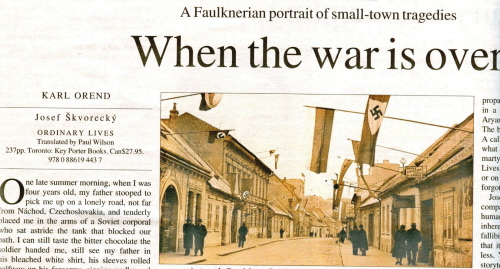
Khi chiến
tranh kết thúc
Trong Stranger Shores, tập tiểu luận,
[1986-1999] nhà văn nhớn, nhà phê bình nhớn, nhà văn Nobel, Coetzee đi
một đường ai điếu hơi bị sớm nhà văn hiện còn sống, Josef Skvorecky: … Looking back over his
career, Skvorecky produces a humorously modest obituary: “After years
of socialism… he was..”. [Nhìn lại sự nghiệp văn
chương.... ].
Không biết ông nhà văn này có quê không, nhưng mới đây, cho ra lò một
cuốn thật hách xì xằng [xb năm 2004, bản dịch tiếng Anh, 2009], tờ TLS,
số mới nhất đi một đường chào mừng: Josef
Škvorecký's Ordinary Lives A novel that reveals the horror inherent
in life under totalitarianism, trong đó để nhẹ nhà phê bình
nhớn, Nobel văn chương một câu: In
2002, in Stranger Shores, J. M. Coetzee published a premature
obituary on Škvorecký’s literary career, implying he was finished as a
writer.
[Ui chao sao
giống bạn quí của Gấu quá thể, ông nào cũng thủ sẵn 1 bài ai điếu GCC,
ngay từ
khi Gấu dính với Cô Ba]
Chính là do đọc bài viết của
Coetzee, chê thật nặng nề, mà Gấu bỏ qua ông này, cho tới khi đọc bài
viết trên TLS số mới nhất, thì mới ngã ngửa ra rằng, ông, cũng công dân
Canada, cũng cư dân Toronto như Gấu, và, cũng mê Faulkner, như Gấu, tuy
nhiên, đã từng là ứng viên Nobel văn chương, chưa kể cả lô giải thưởng
này nọ.
Xin giới thiệu một
bài viết, từ website của ông. Tin Văn sẽ dịch bài này, tặng mấy đấng VC
nằm vùng, "mấy thằng ngu có ích", "mấy đứa con nít không hề biết, đùa
với lửa có khi mang họa, cho tới khi lửa đốt rụi ngôi nhà Miền Nam
của chúng!"
They are — if you'll excuse the platitude — like a child who doesn't
believe that fire hurts, until he burns himself.
Bài trên TLS vinh danh Josef, nhiều câu tuyệt cú mèo, như để bù lại cho
tác giả về những bất công mà Coetzee đối xử với ông.
A REVOLUTION IS USUALLY THE WORST SOLUTION
Cách Mạng là giải
pháp khốn kiếp nhất, thường là như vậy! (1)
Josef
Skvorecky, The Art of Fiction No. 112
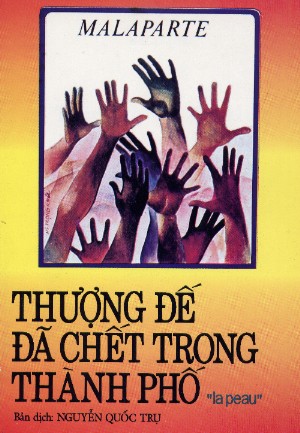
Thượng Đế đã
chết trong thành phố
Cuốn
Thượng Đế Đã Chết Khủng
Khiếp Thật.
Nó nói về Mẽo giải phóng Ý, và nó tiên tri ra hai cuộc giải phóng khác,
tại Việt Nam.
Gấu lập lại, hai cuộc giải phóng.
1. Quân đội Mẽo tới Miền Nam,
nhằm giải phóng miền đất này, thoát cuộc xâm lăng của VC Miền Bắc.
2. VC Miền Bắc giải phóng Miền Nam.
Và xoá sổ nó.
La Peau
[Làn
Da]: Một cuốn tiểu thuyết-Trùm: Un Archi-Roman
1. Đi tìm một vóc
dáng.
Có những nhà
văn, thứ đại gia, làm chúng ta ngộp thở, vì sức mạnh của cái đầu của
họ, nhưng
họ như bị sao quả tạ giáng xuống, bị chúc dữ bởi 1 lời nguyền: Về tất
cả
những
gì mà họ sẽ nói ra, họ không làm sao tìm đuợc một vóc dáng để chuyên
chở chúng,
một vóc dáng uyên nguyên, liên kết được với nhân cách, và không làm sao
tách ra
khỏi, những tư tưởng của họ.
Tôi nghĩ tới, thí dụ như, những nhà văn lớn của Pháp
thế hệ Malaparte: khi còn trẻ tôi đã ngưỡng mộ và yêu mến họ; Sartre,
có lẽ, và,
nhất là ông.
Điều kỳ cục: chính ông ta, trong những tiểu luận [những ‘tuyên
ngôn” của ông], về văn học, làm cho tôi ngạc nhiên, bởi cái sự dè bỉu
của ông về
quan niệm tiểu thuyết; ông đếch thích những từ như “tiểu thuyết”, “tiểu
thuyết
gia”, những từ này, như là những dấu hiệu đầu tiên chỉ ra 1 vóc dáng,
ông tránh
dùng chúng, tránh nói ra chúng, mà ông chỉ nói về ‘văn xuôi”, prose,
“nhà văn của
văn xuôi”, lâu lâu, ông xài chữ “kẻ viết văn xuôi”, le prosateur. Ông
giải thích:
ông chấp nhận, công nhận, cái gọi là một sự tự chủ mỹ học, đối với thơ
[thơ là
1 cõi trời riêng, độc lập, bảnh…], nhưng ông đếch chịu, điều này, đối
với cái gọi
là văn xuôi: “Văn xuôi, yếu tính của nó, chỉ là thực dụng, tao cần tới
mày, nên
gọi tới mày, không cần, đi chỗ khác chơi […]. Nhà văn chỉ là 1 kẻ nói,
un parleur. Hắn ta chỉ trỏ, chứng tỏ, ra lệnh,
từ chối, tra hỏi, năn nỉ, sỉ nhục, vỗ về, ngụ ý”.
Như thế, cần chi đến
1 cái vóc
dáng, hử? Vóc dáng làm được cái trò gì ở đây? Ông trả lời: “Đây là vấn
đề ý hướng,
về ‘anh muốn viết về cái gì’: về những con bướm hay số phận của người
Do Thái, và một khi, bạn biết bạn muốn viết gì, thì bạn sẽ quyết định,
viết như
thế nào”.
Và, sự thực là, tất cả những tiểu thuyết của Sartre, quan trọng như
thế đó, đều được khắc họa bởi cái gọi là sự ‘chọn lựa” vóc dáng của
chúng.
Khi tôi nghe
đến từ Tolstoi, tôi lập tức tưởng tượng tới hai cuốn tiểu thuyết lớn
lao, thật
đặc dị, chẳng giống của bất cứ ai, của ông. Trong khi đó, khi tôi nói
Sartre,
Camus, Malraux, thì những tiểu sử, những bài viết có tính tranh luận,
và những
cuộc chiến đấu, những xác định vị trí của họ, những cái đó bật ra ngay
trong đầu tôi,
chứ không phải những cuốn tiểu thuyết.
Kundera
Có thể nói,
chính là từ Sartre, mà ra đám tiểu thuyết mới, là vậy, và, qua đó, là
sự phân
biệt của Roland Barthes, khi ông dùng từ nhà văn, écrivain, để phân
biệt với nhà
dùng văn, écrivant.
Nhà văn phịa ra chữ, nhà dùng văn, sử dụng nó, khác nhau.
IX
“LA PEAU” :
UN ARCHI-ROMAN
1. À LA
RECHERCHE D'UNE FORME
Il y a des
écrivains, de grands écrivains, qui nous éblouissent par la force de
leur
esprit, mais qui sont comme marqués d'une malédiction: pour tout ce
qu'ils
avaient à dire, ils n'ont pas trouvé une forme originale qui soit liée
à leur
personnalité d'une façon aussi indissociable que leurs idées. Je pense
par
exemple aux grands écrivains français de la génération de Malaparte;
dans ma
jeunesse, je les ai tous adorés; Sartre, peut-être, le plus. Chose
curieuse:
c'est justement lui qui, dans ses essais (ses «manifestes») sur la
littérature,
m'a surpris par sa méfiance à l'égard de la notion de roman; il n'aime
pas dire
« roman », « romancier »; ce mot qui serait le premier indice d'une
forme, il
évite de le prononcer; il ne parle que de la « prose », de 1'« écrivain
de
prose », éventuellement du « prosateur ». Il explique : il reconnaît
une «
autonomie esthétique » à la poésie, pas à la prose: «La prose est
utilitaire
par essence. [ ... ] L'écrivain est un parleur:
il désigne, démontre, ordonne, refuse, interpelle,
supplie, insulte, persuade, insinue.» Mais en ce cas, quelle importance
la
forme peut-elle avoir? Il répond: «…. il s'agit de savoir de quoi l'on
veut
écrire: des papillons ou de la condition des Juifs. Et quand on le
sait, il
reste à décider comment on en écrira.” Et, en effet, tous les romans de
Sartre,
si importants qu'ils soient, sont caractérisés par l'éclectisme
de leur forme.
Quand
j'entends le nom de Tolstoi, j'imagine immédiatement ses deux grands
romans
auxquels rien ne ressemble. Quand je dis Sartre, Camus, Malraux, ce
sont leurs
biographies, leurs polémiques et combats, leurs prises de position que
m'évoquent en premier lieu leurs personnalités.
2. LE
PRÉ-MODÈLE DE L'ÉCRIVAIN ENGAGÉ
Quelque
vingt ans avant Sartre, Malaparte était déjà un « écrivain engagé ».
Disons
plutôt, son pré-modèle; car la fameuse formule sartrienne, on ne
l'utilisait
pas alors, et Malaparte n'avait encore rien écrit. À quinze ans il est
secrétaire de la section locale de la jeunesse du parti républicain
(parti de
gauche) ; quand il a seize ans, la guerre de 14 éclate, il quitte son
chez-soi,
franchit la frontière française et s'engage dans une légion de
volontaires pour
combattre les Allemands.
Je ne veux
pas prêter aux décisions des adolescents plus de raison qu'elles n'en
peuvent
avoir; il n'empêche que le comportement de Malaparte était remarquable.
Et sincère,
situé, faut-il le dire, au-delà de la comédie médiatique qui,
aujourd'hui,
accompagnerait fatalement tout geste politique. Vers la fin de la
guerre,
pendant un combat féroce, il est gravement blessé par des lance-flammes
allemands. Ses poumons en resteront à jamais endommagés et son âme
traumatisée.
Mais
pourquoi disais-je que ce jeune étudiant-soldat était un pré-modèle de
l'écrivain
engagé? Plus tard, il raconte un souvenir: les jeunes volontaires
italiens se
sont vite divisés en deux groupes rivaux: les uns se réclamaient de
Garibaldi,
les autres de Pétrarque (qui avait vécu dans la même partie du sud de
la France
où ils étaient rassemblés avant de partir pour le front). Or, dans
cette
dispute d'adolescents, Malaparte se rangeait sous le drapeau de
Pétrarque
contre les garibaldiens. Son engagement, dès le début, ne ressemblait
pas à
celui d'un syndicaliste, d'un militant politique, mais à celui d'un
Shelley,
d'un Hugo ou d'un Malraux.
Après la
guerre, jeune (très jeune) homme, il entre au parti de Mussolini;
toujours
affecté par le souvenir des massacres, il voit dans le fascisme la
promesse
d'une révolution qui balayerait le monde tel qu'il l'a connu et
détesté. Il est
journaliste, au courant de tout ce qui se passe dans la vie politique,
il est
mondain, sait briller et séduire, mais il est surtout amoureux de l'art
et de
la poésie. Il préfère toujours Pétrarque à Garibaldi, et les gens qu'il
chérit
par-dessus tout sont les artistes et les écrivains.
Et parce que
Pétrarque représente pour lui plus que Garibaldi, son engagement
politique est
personnel, extravagant, indépendant, indiscipliné, de sorte qu'il se
trouve
bientôt en conflit avec le pouvoir (à la même époque, en Russie, les
intellectuels communistes connaissaient bien pareille situation), il
est même
arrêté «pour activités antifascites », exclu du parti, gardé quelque
temps en
prison, puis condamné à une longue résidence surveillée. Acquitté, il
redevient
journaliste puis, mobilisé en 1940, il envoie du front russe des
articles qui
sont bientôt jugés (à juste titre) antiallemands et antifascistes, si
bien
qu'il passe de nouveau quelques mois en prison.
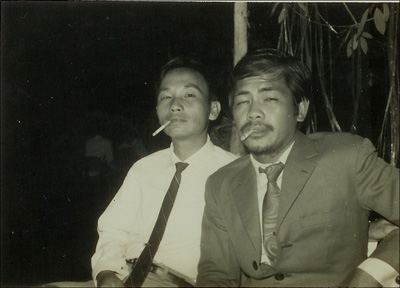
GCC, thời gian dịch La Peau
Nguyên tác
tiếng Ý: La Pelle, 1949.
Bản tiếng Việt
dịch từ bản tiếng Pháp: La Peau.
[Trên ghi
nguyên tác tiếng Pháp. Nay xin đính chính].
Tiểu sử
Curzio Malaparte
b. June 9,
1898, Prato, Italyd. July 19, 1957, Rome pseudonym of KURT ERICH
SUCKERT,
journalist, dramatist, short-story writer, and novelist, one of the
most
powerful, brilliant, and controversial of the Italian writers of the
fascist
and post-World War II periods.
Malaparte
was a volunteer in World War I and then became active in journalism. In
1924 he
founded the Roman periodical La Conquista dello stato, and in 1926 he
joined
Massimo Bontempelli in founding 900, an influential, cosmopolitan
literary
quarterly whose foreign editorial board included James Joyce and Ilya
Ehrenburg; he later became coeditor of Fiera Letteraria, then editor of
La
Stampa in Turin.An early convert to fascism, he became, next to
Gabriele
D'Annunzio, the most powerful writer associated with the party. His
political
views were voiced in his own literary magazine, Prospettive (1937), and
in many
articles written for fascist periodicals. He also wrote a particularly
controversial and influential discussion of violence and means of
revolution
published in French, Technique du coup d'état (1931; Coup d'État, the
Technique
of Revolution; Italian trans., Tecnica del colpo di stato). His early
fiction--Avventure di un capitano di Sventura (1927); Sodoma e Gomorra
(1931);
and Sangue (1937)--also showed a fascist slant.During the 1940s
Malaparte
repudiated fascism and was expelled from the party. During World War II
he was
involved with the Allied armies, both as a correspondent and, later, as
a
liaison officer during the Allied occupation of Naples. His reports
from the
Russian front were published as Il Volga nasce in Europa (1943; The
Volga Rises
in Europe). He then acquired an international reputation with two
passionately
written, brilliantly realistic war novels: Kaputt (1944); and La pelle
(1949;
The Skin), a terrifying, surrealistically presented series of episodes
showing
the suffering and degradation that the war had brought to the people of
Naples.While continuing to write articles and fiction, Malaparte wrote
three
realistic dramas, based on the lives of Marcel Proust (Du côté de chez
Proust,
performed 1948) and Karl Marx (Das Kapital, performed 1949) and on life
in
Vienna during the Soviet occupation (Anche le donne hanno perso la
guerra,
performed 1954; "The Women Lost the War Too"). He also wrote the
screenplay for a film, Il Cristo proibito (1951) and, in addition to
other
works, published a volume titled Racconti italiani (1957; "Italian
Tales"). His complete works were published 1957-71.Copyright ©
1994-2001
Encyclopædia Britannica, Inc.
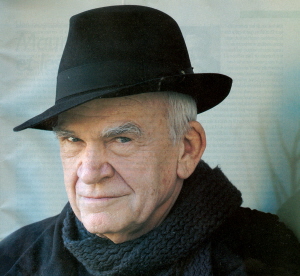 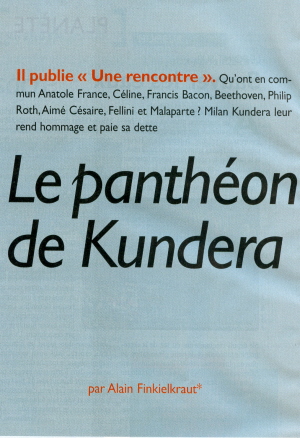
Người Quan Sát Mới, 19-25
Mars, 2009
Trong cuốn sách mới
ra lò, Une rencontre,
Kundera vinh danh, và trả nợ, những nhà văn đã từng ảnh hưởng lên ông.
Trong có
Malaparte và cuốn La Peau mà
Gấu đã từng dịch, bản tiếng Việt có tên là Thượng Đế
đã chết trong thành phố, và cái tít này, tiếu lâm vô cùng, như
tiên tri ra được
cái gọi là sự băng hoại về đạo đức nơi xứ Mít của chúng ta. Thú hơn
nữa, hai đoạn mà Kundera vinh danh trong La Peau là hai đoạn mà Gấu
cũng đã từng tấm tắc, như sau đây
cho thấy, về con chó của ông, và về trận Hắc Phong:
“La Peau”de Malaparte
Le livre se termine
par un
commentaire minutieux de « la Peau », inclassable roman sur la Seconde
Guerre
mondiale et l'Italie libérée, et dont l'auteur n'est plus, quand il
l'écrit, un
artiste engagé mais “un homme douloureux”, “un poète”. Ce poète relate
la
vision fantastique, en 1941, de juifs crucifiés aux arbres d'une forêt
ukrainienne. Et, dans le même et inoubliable chapitre intitulé « Le
vent noir
», il raconte l'agonie de son chien aimé Jego (“De lui et non des
hommes, j'ai
appris que la morale est gratuite, qu'elle est une fin en soi, qu'elle
ne se
propose même pas de sauver le monde [même pas de sauver le monde !)
mais
seulement d'inventer toujours de nouveaux prétextes à son propre
désintéressement, à son libre jeu”). Capturé par un voyou et vendu à un
hôpital
pour des expérimentations médicales, Jego est étendu sur le dos, le
ventre ouvert, une
sonde plongée dans le foie. Aucun son ne sort de la bouche du chien
crucifié,
car les médecins avant de l'opérer lui ont coupé les cordes vocales.
Ainsi
parvenus au terme de
cet essai éblouissant, fait du même alliage d'émotion et de réflexion
que les grands
romans de Kundera et où l'on rencontre également Fellini, Danilo Kis,
Oscar
Milosz, Goytisolo, Chamoiseau, Fuentes, Xenakis, Rabelais, Céline,
Garcia
Marquez, nous prenons conscience du danger suprêmement paradoxal auquel
nous par
sommes exposés : perdre, en laissant la mémoire du mal prendre le pas
sur la
mémoire de l'art, l'intelligence sensible du mal.
ALAIN
FINKIELKRAUT,
Philosophe,
auteur notamment
de “Ce que peut la literature”.
*
Bản dịch
cuốn La Peau, nguyên tác tiếng Ý, của Malaparte.
Thời gian làm cho ông Nhàn, với Nguyễn Mai, Nguyễn Trọng Khôi và một
tay nổi
tiếng, chuyên viết về thiếu nhi, Từ Kế Tường, cùng lo tờ tuần báo Mây
Hồng
TKT
lúc đó là con cưng của ông Nhàn. Không có TKT là không có tờ Mây Hồng.
Gấu thực
sự lo chuyện dịch thuật, Khôi lo vẽ. Tờ báo là của TKT. Có lần Gấu đánh
lén một
đường... tình, ca cẩm về nỗi mất em Bông Hồng Đen, đặt tên là Quán, tức
cái nơi
chốn thiên đường đã từng ngồi mí em trên đường chở em tới Gia Long.
Báo ra, ông Nhàn đọc, la, báo thiếu nhi mà sao anh viết truyện này?
Bài sau đăng lại trên Tập San Văn Chương, vẫn lấy tên là Quán. Choàng
thêm cho
nó một vòng hoa, câu của Alain:
Le domicile
est suspendu au cou de l'homme
Comme une punition
Alain
Thanh Tâm Tuyền biết chuyện, hỏi, cậu có biết Vũ Hoàng Chương về già mà
còn có
tập thơ đặt tên là Ngồi Quán?
*
Quán, nơi tụ tập của những đứa con hoang đàng, dù có đi xa chân trời
góc bể nào
cũng nhớ hoài, giống như sự trừng phạt. Quán, Mái Nhà Xưa. Sài-gòn,
Sài-gòn...
Lần Cuối
Sài Gòn
*
Gấu biết đến ông Nhàn, là do Nguyễn Mai giới
thiệu. Gấu biết Nguyễn
Mai, là qua
nhà thơ Thanh Tâm Tuyền, khi ông ngưng phụ trách trang VHNT của tờ Tiền
Tuyến,
giao cho Gấu, kèm một số bài viết của hai người chưa có tên tuổi, nói,
sửa, rồi
nếu được, đăng cho họ, một trong hai người đó, là Nguyễn Mai.
Chút tình đó khiến anh nghĩ tới Gấu, kêu làm cho ông Nhàn, chủ tờ báo
thiếu nhi
Mây Hồng và nhà xb Vàng Son.
Còn ông kia, sau là tác giả bản danh sách 12 tên nhà văn phản động, đồi
trụy,
trong có đủ bộ đám Sáng Tạo, và Gấu, đứng hàng thứ 7.
Cái tít Thượng Đế đã chết, là của ông Nhàn.
Ông biểu Gấu, Làn Da
thì làm
sao mà ăn khách!
Mấy cuốn trên, nhờ một ông lái sách cho vượt
biển cùng với ông, và hiện
ông
sống dài dài nhờ nó, và nhiều cuốn khác nữa. Gấu thực sự phải cám ơn
ông ta, vì
nghe nói, cùng quê với bà xã [dân Mỹ Tho], và nếu không có ổng, là
không còn
một bản nào cuốn đầu tay, Những Ngày
Ở Sài Gòn.
*
Sự kiện, một ông như ông Nhàn, vốn làm chủ sự phòng kiểm duyệt, sau bỏ
sở, ra
làm nhà xb dưới bảng hiệu của nhà xb Sống Mới, chọn một cuốn như cuốn La Peau,
của Malaparte, và ghê gớm hơn nữa, đổi ra là Thượng Đế Đã Chết Trong
Thành Phố,
liệu ông đã ngửi ra, đã tiên tri ra được, cái chết của Thượng Đế, ở
trong một
thành phố mang tên là Miền Nam, là Sài Gòn, và cái chết của chính ông,
có thể
kể như là nạn nhân đầu tiên của chính sách Kinh Tế Mới của VC?
Tiên tri hơn nữa, chính là tác giả cuốn sách, me xừ Malaparte.
Nguyễn Mai còn nhớ đến Gấu, những ngày sau
1975, khi anh làm thợ sửa mo
rát cho
nhà xb Văn Học 'ở phía Nam' - thì cứ gọi đại bằng cái tên 'chiến lợi
phẩm',
mượn chữ của Brodsky - dưới quyền me-xừ nhà thơ, nhà đầu nậu sách Phạm
Mạnh
Hiên. Khi biết tin nhà xb này tính dịch cuốn Mặt Trời Vẫn Mọc, anh liền
bắn tin
cho Gấu, hãy mang bản dịch hồi làm với ông Nhàn đến 'đăng ký'!
Nhưng kiếm ở đâu ra bản dịch Mặt
Trời Vẫn Mọc của Gấu bây giờ đây?
Khoan nhắc tới cuộc phần thư 30 Tháng Tư, từ những ngày trước đó, Gấu
đã chẳng
còn giữ được một bản nào, không chỉ nó, mà còn nhiều nó khác nữa. Sau
1975,
ngay bản quí, có chữ ký của tác giả, cuốn Một Chủ Nhật Khác, mà còn bị
bà Thảo
Trần đưa vô lò lửa, ôi dào, củi không có thì đành nó, vừa đưa vô, vừa
cố đọc
vội vài chữ, trước khi lửa lém sạch.
Tủ sách của Gấu đa số là bị phần thư theo kiểu này, số còn lại đưa ông
nhà thơ
Trần Tuấn Kiệt đem ra vỉa hè Lê Lợi, bán được cuốn nào ông mua bia cuốn
đó.
Người đưa cho Gấu cuốn Mặt Trời Vưỡn Mọc, là bà xã nhà thơ Joseph Huỳnh
Văn.
Đến lúc đó, ông bạn nhà thơ mới có dịp thưởng thức tài dịch văn của
Gấu. Cuốn
này, là từ thư viện Gia Long [?], bà xã anh, hay bà con của anh, có
người làm
tại đây, và mượn giùm cho Gấu.
Về cái vụ này, Gấu có kể sơ trong bài viết.
Không ngờ bài viết mang tính tiên tri, báo
trước sự xuất hiện của những
nhà văn
hiện còn ở trong nước, cộng tác với báo hải ngoại, tuy có chút khác
biệt: Mấy
ông này viết cho báo 'Ngụy', không phải báo Cách Mạng "Nguỵ Trang",
hay Cách Mạng 'Chui', ở hải ngoại.
Thời gian
làm với ông Nhàn, tại nhà in số 32 Nguyễn
Bỉnh Khiêm, nhà Gấu số 29, buổi sáng, những khi túi không tiền, và
thường là
không tiền, Gấu ghé nhà in, thường cũng đã có mặt, hai ông khác, Nguyễn
Mai,
Nguyễn Trọng Khôi, túi không tiền, cũng như Gấu, và, cả ba đều đợi, ông
Nhàn
tới, và, câu đầu tiên của ông là, tụi mình đi ăn sáng.
Quán ăn, đình Tân An gần đó, của một nữ nghệ sĩ cải luơng nổi tiếng: Út
Bạch
Lan.
Ông Nhàn lúc đó có một cô bồ nhí, và đám chúng tôi, thuờng gọi, cả hai,
là,
Roméo và Juliette. Không biết bà vợ của ông có biết chuyện, tuy nhiên,
trước
ngày 30 Tháng Tư, khi Juliette đề nghị hãy đi với nàng, thì Roméo quyết
định ở
lại với vợ con.
Ở lại, ông Nhàn là một trong những người đầu tiên hưởng ứng chiến dịch
Kinh Tế
Mới của VC.
Buổi sáng hôm đó, chàng Roméo vác cái cuốc đi làm rẫy, trời còn mù
sương, có
thể do nghễnh ngãng, có thể do nhớ Juliette, chàng không nghe tiếng gọi
"đứng lại" của một ông du kích, thế là ông này đòm một phát.
Sau này, đọc Một Chủ Nhật Khác, tới cái đoạn trung uý Kiệt đang nằm
trong nhà
thương chữa bệnh nhớ cô học trò nhí Oanh, bò ra ngoài rừng thông Đà
Lạt, bị tên
sĩ quan khùng lầm là VC, bắn chết, là Gấu nhớ đến... Gấu, những ngày
hạnh phúc
bên em Bông Hồng Đen, nơi Hồ Than Thở, nơi Suối Cam Ly, và nhớ đến ông
Nhàn,
và, nghe như mình cũng đang ngã xuống, ở nơi sàn nhà hàng nổi Mỹ Cảnh,
vì mìn
VC.
Khỉ như vậy đấy, cái trí nhớ, và cái sự liên tưởng.
Viết
báo Cách
Mạng Chui
Ra
hải ngoại, sau những ngày tù, vào những ngày cuối đời nơi đất người,
đôi khi
nhớ lại những ngày làm cho ông Nhàn tại nhà in của Cha Luận., số 32
Nguyễn Bỉnh
Khiêm, nhớ đến cái chết của ông, Gấu vẫn băn khoăn tự hỏi, ai mách ông
cuốn The
Skin, La Peau, và ông ngửi thấy gì từ cuốn sách này, và nửa cái tít -
"Thượng Đế Đã Chết", của Nietzsche, dễ hiểu thôi, nhưng còn cái đuôi,
nửa còn lại đó -"Trong Thành Phố", ở đâu ra vậy?
Nhà
xb Vàng Son chỉ là một chi nhánh của nhà xb Sống Mới. Ông chủ của
nó có rất
nhiều nhà xb như của ông Nhàn, thí dụ như một nhà xb của tay viết cuốn Đôi Mắt
Người Xưa [Nguyễn Ngọc Linh ?]. Khi Gấu dịch xong, ông Nhàn mang
trình
xếp Sống
Mới, ông Khoái, hay Khoát, ông này đưa cho tay Linh kiểm tra, Gấu nhớ
là, tay
này rất khoái bản dịch, nhưng than, bỏ nhiều quá, chỉ còn 1/3 cuốn
sách, nhưng
đây là quyết định của ông Nhàn.
Cuốn
Thượng Đế Đã Chết Khủng Khiếp Thật.
Nó
nói về Mẽo giải phóng Ý, và nó tiên tri ra hai cuộc giải phóng khác,
tại Việt Nam.
Gấu lập lại, hai cuộc giải phóng.
1.
Quân đội Mẽo tới Miền Nam,
nhằm giải phóng miền đất này, thoát cuộc xâm lăng của VC Miền Bắc.
2.
VC Miền Bắc giải phóng Miền Nam.
Và xoá sổ nó.
Nguồn
V/v
Thượng Đế Đã Chết.
Có một tay làm nhà xb ở trong nước, vớ được cuốn này
ở Chợ Sách Cũ, mê quá, mail và gạ Gấu, nếu có dịp thuận tiện, tái xb,
chịu không, Gấu nghe bùi tai quá, nhưng giao hẹn, phải dịch lại, và
dịch đủ, không bỏ một tí nào.
Ui
chao, lại nhớ cái cái cảnh dân Miền Nam, mấy cô snack bar, thí dụ, lột
Mẽo, y chang dân Ý!
Thua ai, thua anh bộ
đội Cụ
Hồ, thì còn vinh dự nào bằng!
Tuy
nhiên, mọi thứ, hễ anh sờ vô, là trở thành
hư ruỗng.
Anh
vừa mới cười với một cô
gái trong trắng, xong, là cô ta biến thành điếm!
Một
khi mọi lý tưởng chỉ là
cứt đái, thì lá cờ độc nhất, cho một con người, là làn da của chính anh
ta.
*
Cuốn La
Peau,
bản Việt văn do
Gấu dịch, vào những ngày đầu ra hải ngoại, Gấu thấy bầy bán tại một
tiệm sách
Việt tại thành phố Toronto, cùng với một cuốn khác, cũng Gấu dịch, Ngày
dài nhất.
Mua về làm kỷ niệm. Không thấy cuốn Những
ngày ở Sài Gòn. Một ông bạn
cho biết,
cuốn đó cũng có, nhưng ở thư viện chính của Toronto, và một đệ tử của anh bạn sau
đó đã
photocopy cho Gấu một bản. Đưa cho một ông bạn bác sĩ mới quen đọc. Khi
trả lại,
ông nói, có vẻ hơi bực, đâu có Sài Gòn ở trong đó, chỉ thấy Hà Nội.
Phải đến khi qua Tiểu
Sài Gòn,
vô tiệm sách Tú Quỳnh, thì Gấu mới thấy đủ cả ba.
Nhân Kundera trong
cuốn mới
nhất vừa xb, tại Pháp, ca Malaparte thấu trời, Gấu lấy ra đọc lại. [Đã
một lần
Tin Văn tính post lại cuốn sách, bản tiếng Việt, khi tờ Lire (?), viết
về
Malaparte, khi cuốn La Peau được
tái bản tại Pháp].
Đọc, như nhìn lại được cả
hai lần Miền Nam
ăn đòn Yankee, một mũi lõ, một mũi tẹt!
|
|